Tailor’s Talk: Secrets of a Perfectly Stitched Linen Shirt
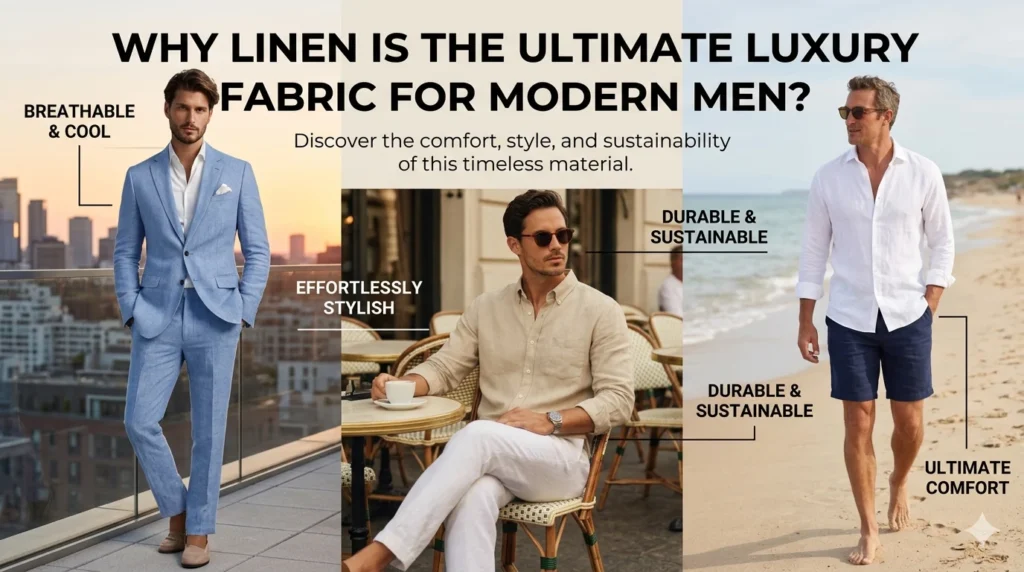
Linen is often called the “king of summer fabrics.” However, to a master tailor, it is a fickle medium. It is a textile that breathes and moves, yet often resists being tamed by a needle. While mass-produced shirts often lose their shape, a perfectly stitched linen shirt is a masterpiece of engineering.
If you want to know why some linen looks effortless while others look messy, the secret lies in the craftsmanship. In this guide, we reveal the technical secrets behind creating the ultimate linen shirt.
1. Source the Right “Crunch”
The journey begins long before the first cut. To start, not all linen is created equal. The secret to a shirt that ages beautifully is using long-staple linen fibers, typically from Belgium or Ireland.
What to look for:
Weight: Aim for 120g to 150g per square meter.
Texture: High-quality linen has a natural luster and a “round” feel.
Durability: Avoid low-quality linen that pills or feels scratchy.
2. The Non-Negotiable Pre-Shrink
Linen has a high shrinkage rate, often losing up to 10% of its size after the first wash. Therefore, cutting fabric straight off the bolt is a major mistake.
Master tailors use the “double-soak” method. First, we submerge the fabric in lukewarm water for several hours. Next, we air-dry it until damp and iron it at a high temperature. This process “shocks” the fibers into their final state so your fit remains perfect forever.
3. Pattern Geometry: Room to Breathe
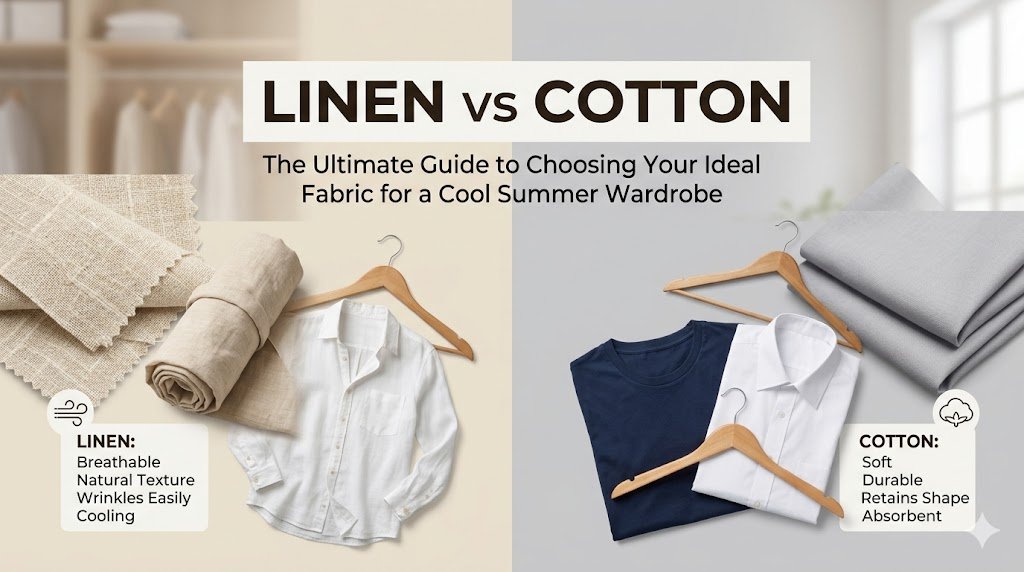
Since linen has zero elasticity, it does not stretch like cotton or wool. Consequently, a perfectly stitched linen shirt requires a unique pattern.
We incorporate “ease” into the shoulder blades and chest. A slim-fit linen shirt is a contradiction; instead, it should be “tailored-relaxed.” By cutting armholes slightly higher, we allow for movement without pulling the hem out of your trousers.
4. Professional Stitching Techniques
Linen is a porous, open-weave fabric. If the tension is too high, the seams will pucker. Here is how we ensure a clean finish:
The Thread: We use high-quality silk-finish cotton or fine core-spun thread.
Stitch Density: The “Sweet Spot” is 18 to 22 stitches per inch (SPI).
Flat-Felled Seams: We never use zigzag edges. Instead, we use flat-felled seams where raw edges are tucked inside and double-stitched. This prevents fraying and keeps the inside of the shirt clean.
5. Architecture of the Collar and Cuffs
Linen is naturally soft and can collapse easily. To prevent a sloppy look, the internal structure is vital.
The secret is the interlining. We avoid “fusible” (glued) interlinings because they feel like plastic. Instead, we use a floating non-fusible canvas. This gives the collar a “memory”—it stays upright and crisp while maintaining a soft, organic drape.
6. Premium Buttons: The Final Touch
A plastic button on a luxury linen shirt is a missed opportunity. Instead, we use Australian Mother of Pearl. These buttons are cool to the touch and offer a depth of color that plastic cannot match.
Pro Tip: We use a “shank” technique by wrapping thread around the base of the button. This lifts it slightly, allowing the thick linen fabric to sit flat without pulling.
7. Embracing the “Noble Wrinkle”
Finally, you must understand the philosophy of linen. In tailoring circles, we call them “The Noble Wrinkles.”
A well-constructed shirt is designed to wrinkle in a way that follows your body’s contours. Because we align the grainline carefully during cutting, these wrinkles become a design feature rather than a flaw. They signal a relaxed, sophisticated lifestyle.
Conclusion: Why Craftsmanship Matters
A perfectly stitched linen shirt is an investment. By focusing on pre-shrinking, flat-felled seams, and floating interlinings, a tailor ensures your garment lasts for a decade. When you wear a shirt crafted with these secrets, you are wearing centuries of sartorial wisdom.