Introduction
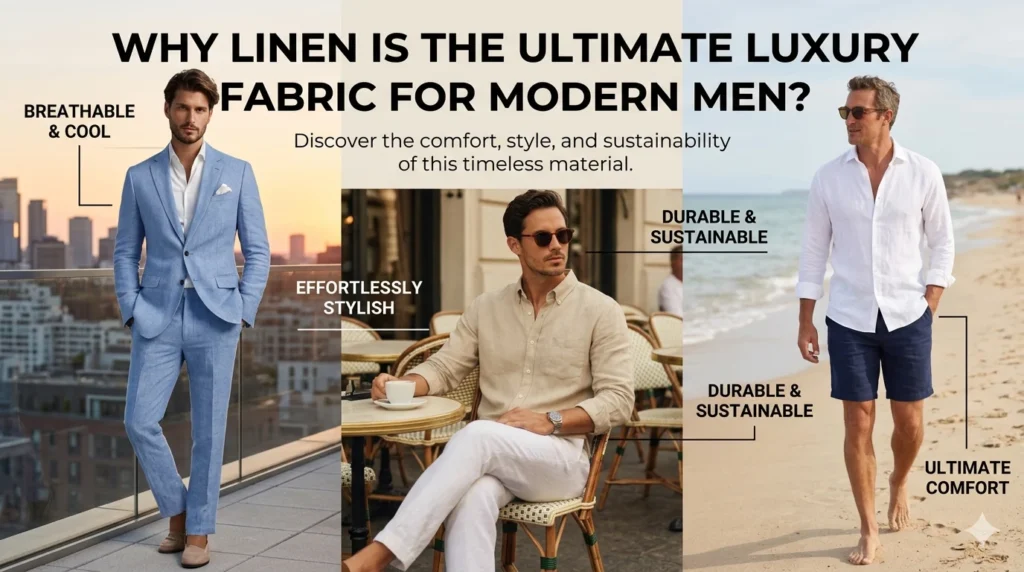
In 2026, comfort and wellness are shaping fashion choices more than ever before. Consumers are moving toward fabrics that not only look good but also support overall health. Among all natural materials, linen clothing stands out as a top choice for its breathability, durability, and skin-friendly properties.
Made from the fibers of the flax plant, linen has been used for thousands of years—and for good reason. Whether you’re dealing with hot climates, sensitive skin, or simply want a more comfortable wardrobe, linen offers multiple health benefits that synthetic fabrics cannot match.
In this blog, we explore the 5 key health benefits of wearing linen clothing and why it should be a staple in your wardrobe.
1. Exceptional Breathability Keeps Your Body Cool
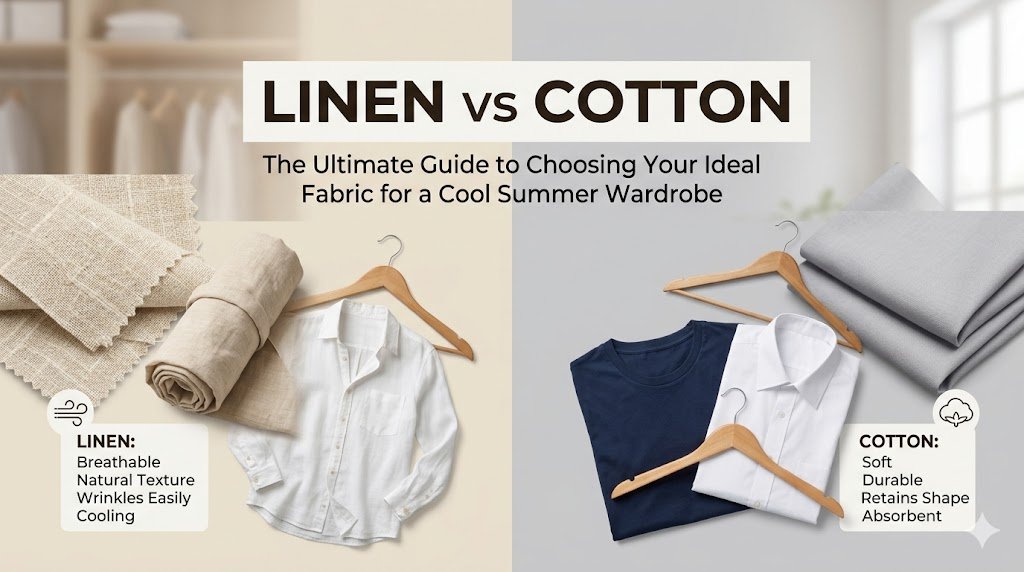
One of the biggest advantages of linen is its high breathability. The natural fibers allow air to flow freely, helping regulate your body temperature.
Unlike synthetic fabrics that trap heat, linen promotes ventilation and keeps you cool even in extreme weather conditions—especially important in hot and humid regions.
Health Benefit:
- Prevents overheating
- Reduces excessive sweating
- Lowers the risk of heat-related skin irritation
This makes linen ideal for daily wear, particularly during summer months.
2. Moisture-Wicking and Quick Drying
Linen can absorb up to 20% of its weight in moisture without feeling damp. It quickly releases moisture back into the air, keeping your skin dry and fresh.
This natural moisture-wicking property helps maintain hygiene and comfort throughout the day.
Health Benefit:
- Reduces bacterial growth
- Prevents body odor
- Keeps skin dry and irritation-free
For people who sweat more or live in humid climates, linen is a healthier alternative to many other fabrics.
3. Hypoallergenic and Skin-Friendly
If you have sensitive skin, linen is one of the safest fabric choices. It is naturally hypoallergenic and free from harsh chemicals often found in synthetic textiles.
Linen fibers are smooth and gentle, minimizing friction against the skin.
Health Benefit:
- Reduces risk of allergies
- Prevents rashes and itching
- Suitable for eczema-prone skin
Because of these qualities, linen is often recommended for people with skin conditions or allergies.
4. Natural Antibacterial Properties
Linen has inherent antibacterial and antifungal properties. This means it naturally resists harmful microorganisms that can cause infections or unpleasant odors.
Unlike synthetic fabrics that may retain bacteria even after washing, linen stays fresher for longer.
Health Benefit:
- Minimizes risk of skin infections
- Promotes better hygiene
- Keeps clothes odor-free for longer
This makes linen especially beneficial for everyday wear and travel.
5. Stress-Free Comfort and Better Well-Being
Clothing plays a subtle but important role in how we feel throughout the day. Linen is lightweight, softens over time, and provides unmatched comfort.
Its relaxed texture allows freedom of movement and reduces physical discomfort caused by tight or non-breathable fabrics.
Health Benefit:
- Enhances comfort and relaxation
- Reduces skin irritation from friction
- Improves overall daily well-being
When your body feels comfortable, your mind naturally follows—making linen a great choice for both physical and mental comfort.
Why Linen is the Future of Healthy Fashion
As people become more conscious of what they wear, linen is emerging as a perfect blend of health, comfort, and sustainability. It requires fewer chemicals to produce and is biodegradable, making it good for both your body and the environment.
From casual wear to workwear, linen adapts effortlessly to modern lifestyles while supporting better health.
Conclusion
Choosing the right fabric is just as important as choosing the right style. Linen clothing offers a wide range of health benefits—from keeping your body cool to protecting sensitive skin and improving overall comfort.
If you’re looking to upgrade your wardrobe in 2026, investing in linen is a smart and healthy choice. It’s more than just a fashion statement—it’s a lifestyle decision that supports your well-being every day.